11 Types of Beer You Can Brew Today!
Once you have your basic brewing technique down (congratulations, by the way), you are ready to explore a vast realm of flavours, aromas and styles. You don’t need to be a seasoned brewer malting your own grains (thought massive respect, if you are!)
You’ll be astounded at how many types of beer you can easily brew at home, with a kit.
If you’ve heard of it, you can brew it!
You probably already know what your friends like to drink, so why not have a crack at brewing that? I have a couple of mates who are particularly devoted to those robust dark chocolate porters. I don’t care for them myself (the porters, I mean), but I love brewing them as long as I have my trusty Belgian Wheat Ale on standby.
This will be a comprehensive post, so make sure to use the handy Table of Contents to jump around and explore with.
And remember, these 11 broad types of beer are merely your launch pad into a universe of brewing creativity. There are as many different types of beer as there are brewers. Well, almost.
What will you brew?
Table of Contents
1. Ale
In short, an ale is pretty much any type of beer brewed using a top-fermenting yeast. These ferment at warmer temperatures, typically between 60°F and 75°F (15°C to 24°C), and therefore brew much faster.
The process tends to produce a beer with a fuller body and more complex flavours and aromas, often considered fruity or spicy.
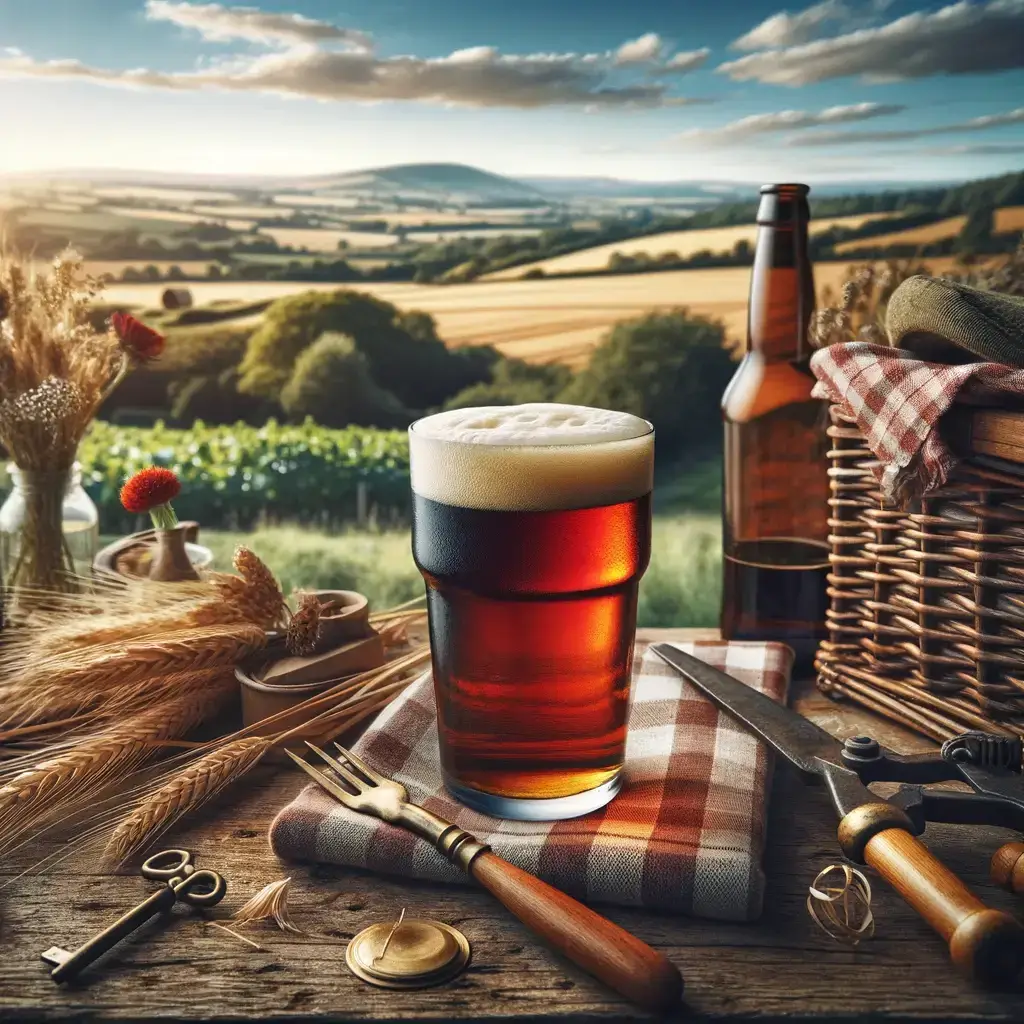
If not explicitly classified as Ale, your beer is likely brewed using a bottom-fermenting yeast strain.
2. Pale Ale
We see IPAs everywhere, but what even is a “Pale Ale”?
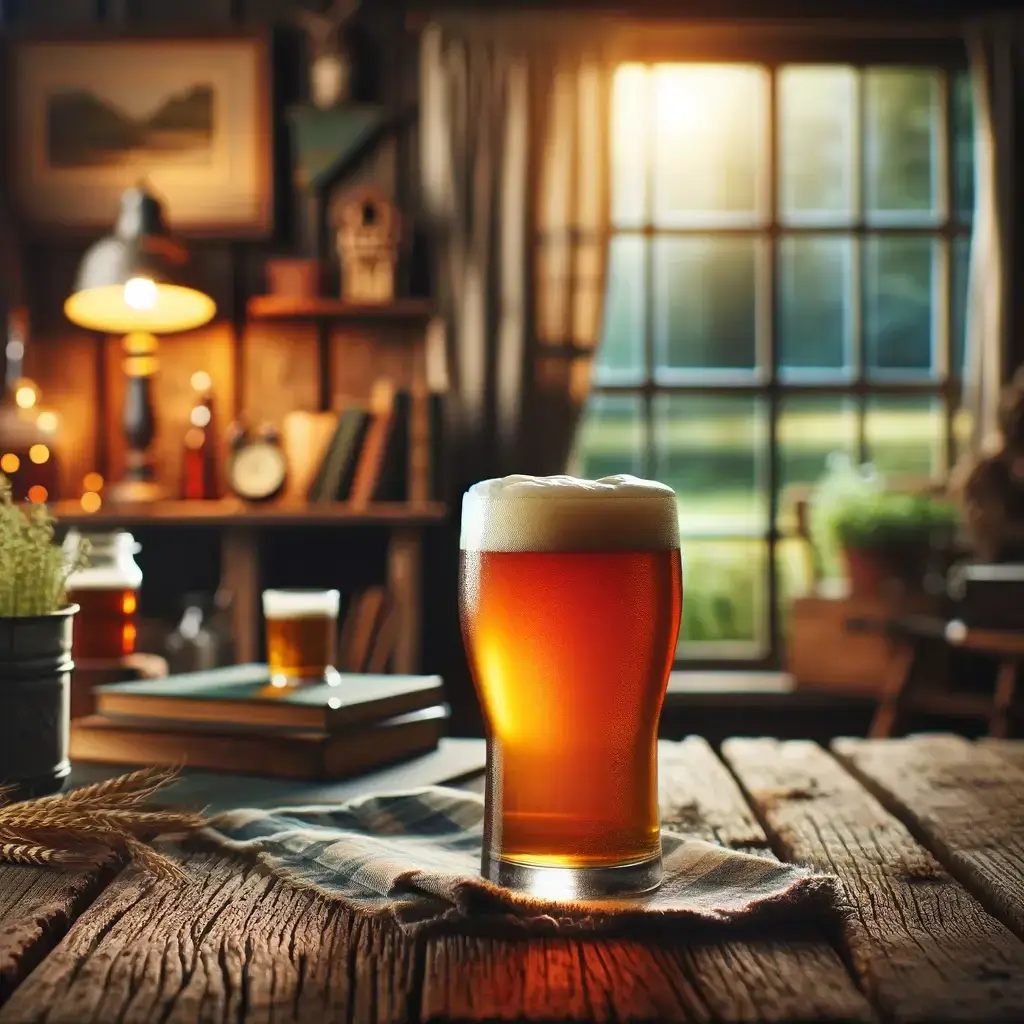
Pale Ale is a popular and versatile style of beer that’s known for its balance of malt and hop flavours.
Pale Ales are a staple in the craft beer movement, particularly in the United States, where the style has been embraced and experimented with, leading to a wide range of flavour profiles and innovations.
Flavour Profile
They are known for a well-balanced flavour that combines malt sweetness with hop bitterness. The hop flavour in Pale Ales can range from subtle to intense, and these beers often have fruity, floral, or citrusy notes, depending on the type of hops used.
The malt in Pale Ales contributes to the beer’s body and sweetness. Pale malt is the primary grain used, which gives the beer its characteristic colour and a portion of its flavour profile.
Colour and Appearance
Pale Ales have a colour range ranging from light gold to a deep amber. The term “pale” historically referred to its lighter colour compared to the darker beers prevalent before the 1700s, which were made from brown malt. Clarity varies a great deal for this overarching beer style.
Alcohol Content
Pale Ales typically have a moderate alcohol by volume (ABV), usually from 4% to 6%. This makes them a middle ground in terms of strength between light beers and stronger beers like IPAs or stouts.
Types of Pale Ale
There are several sub-styles of Pale Ale, including American Pale Ale, English Pale Ale, and Belgian Pale Ale, each with distinct characteristics. American Pale Ales, for example, are known for their prominent hop aroma and flavour, often focusing on American hop varieties.
Serving Pale Ale
Pale Ales are typically served at a cooler temperature than traditional English ales but not as cold as lagers. This helps to enhance both the malt and hop profiles of the beer.
Summary
The style originated in England and evolved with the development of pale malt in the 19th century. It then spread and adapted in various beer-brewing regions around the world, with each region imparting a local twist to the style.
Overall, Pale Ales are celebrated for their balance and approachability, making them a popular choice for both seasoned beer enthusiasts and those new to craft beer.
3. India Pale Ale (IPA)
The elephant in the room. Everyone has heard of “IPA”, but what is it?
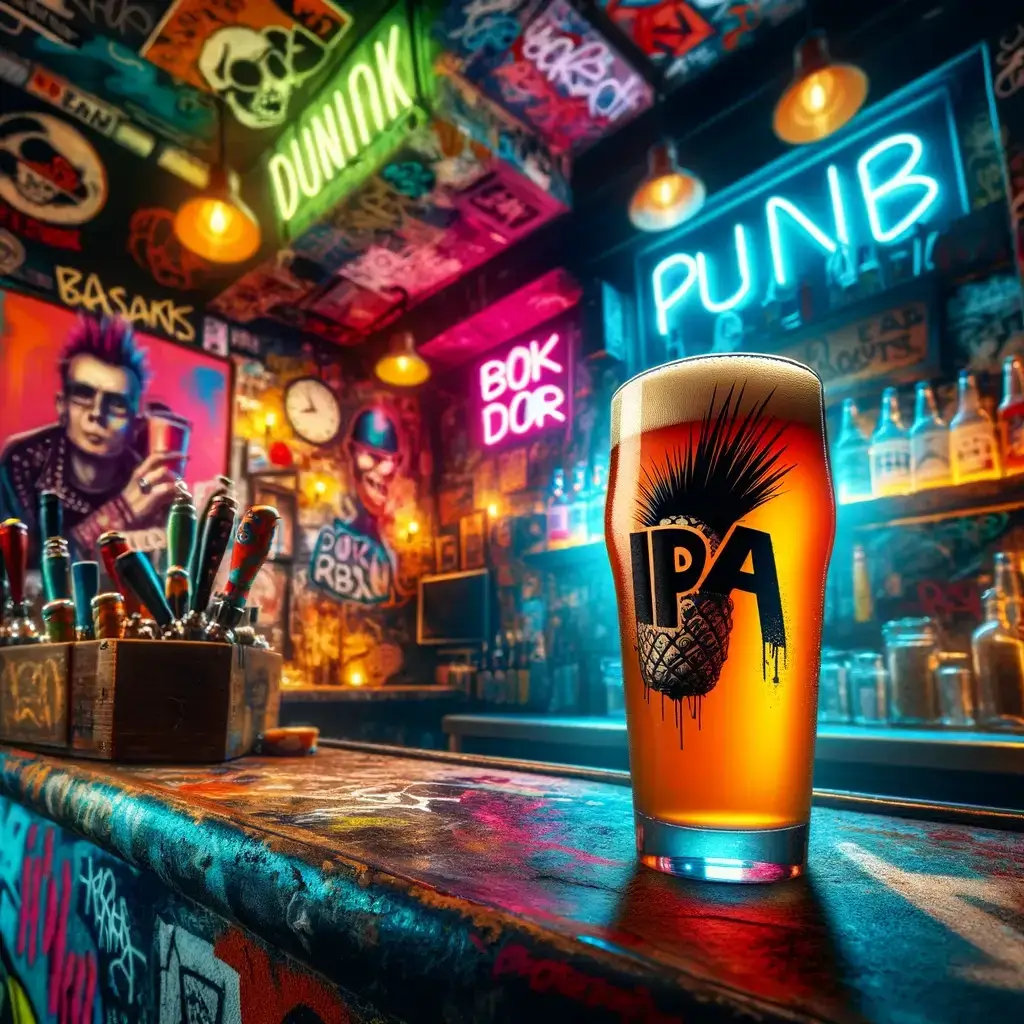
India Pale Ale (IPA) is a type of beer that belongs to the broader category of “Pale Ales”.
The style originated in England and was named for its popularity among colonialists in India.
Flavour Profile
IPAs are well-known for their strong hop flavour, bitterness and aroma. Still, apart from the dominant hoppiness, IPAs can have a range of flavours and aromas, including citrus, pine, floral, earthy, and fruity notes, depending on the types of hops and other ingredients used.
Colour and Appearance
While the colour of IPAs can vary, they are typically a deep gold to amber. Clarity can also vary, with some IPAs being crystal clear and others being hazy or cloudy, so we can’t rely too much on visual clues.
Alcohol Content
Compared to many other types of beer, IPAs generally have a higher alcohol by volume (ABV). This can vary significantly among different IPAs, but they are often in the range of 5-7.5%.
Types of IPA
As you would expect with such a popular beer style, there are many sub-styles of IPA, each with its own peculiar characteristics. In no particular order, these beer styles include:
- American IPA (APAs)
- English IPA
- Double (or Imperial) IPA
- New England IPA (NEIPA)
- Session IPAs
Serving IPA
OK, so it depends a little on the beer style here, but generally, an IPA is best served chilled but not ice cold. (Also, you might want to use a “tulip” glass over a traditional pint glass)
Summary
It’s believed that the high hop content was used to preserve the beer for the long sea journey from Britain to India. To be fair, that is the original reason hops first found their way into fermented grain drinks in the first place (thanks to a nun!)
IPAs are among the most popular craft beer styles and are widely produced by breweries the world over. The good news is plenty of beer kits serve these popular beer styles, so it’s easier than ever to choose a good one.
4. Bitter
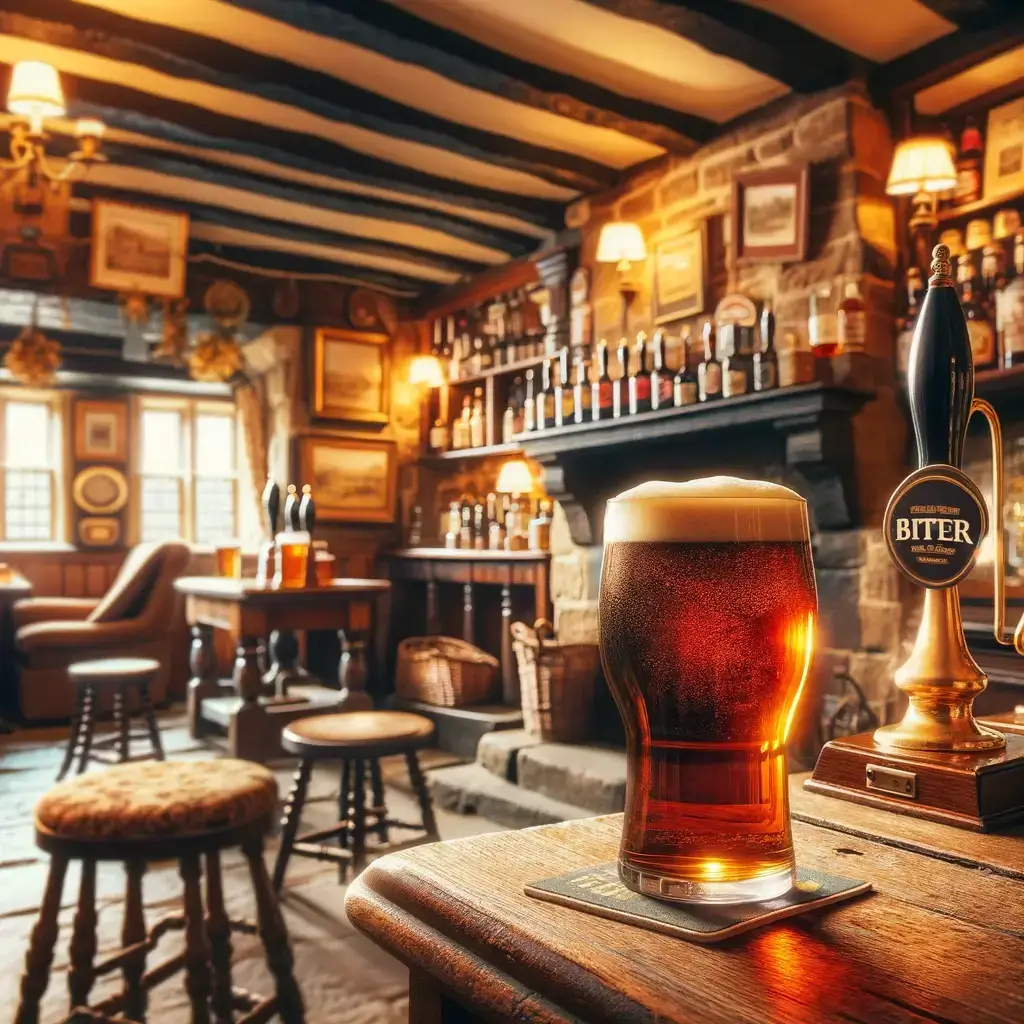
“Bitter” is a traditional style of British beer that is a “Pale Ale” that remains a staple of our pub culture.
It is known for its drinkability and balanced flavour profile, making it a popular choice for a session beer.
Flavour Profile
As the name suggests, Bitters are known for their pronounced bitterness but are generally more balanced than India Pale Ales (IPAs). The bitterness comes from the hops, balanced by malt flavours, often leading to a more evenly rounded taste between sweet and bitter.
While Bitters are hoppy, that hoppiness is typically less pronounced than in many IPAs/APAs. However, when they are present, the hops in Bitters usually contribute more to bitterness than to aroma. No surprise there.
Colour and Appearance
The colour of Bitters can range from golden to deep amber. It just depends on the specific type and the malts used. As for clarity, some Bitters are clear, and others may have a degree of haziness, especially those that are cask-conditioned and less processed. This variation is part of the diversity of the style and is generally accepted among beer enthusiasts and brewers. The point about bitters is the taste and aroma.
Alcohol Content
Bitters are usually lower in alcohol than other styles of beer, making them more sessionable. The alcohol by volume (ABV) often ranges from around 3% to 5%.
Types of Bitter
There are several types of Bitters:
- Light ale
- Plain old “Bitter”
- Best Bitter
- Strong Bitter (also known as Extra Special Bitter or ESB)
- Pale Golden Bitter (Golden ale or summer ale)
These classifications largely relate to the strength and depth of flavour, with a light ale being the lightest and ESB being the strongest and most robust.
Serving Bitter
Bitters are served at cellar temperature and not actively chilled. This allows more of the subtle flavours to be noticeable. They are also often served on cask, which means less carbonation than kegged beers.
5. Mild
We’ve covered Bitter, so maybe this is a good time to talk about Mild Ale, too.
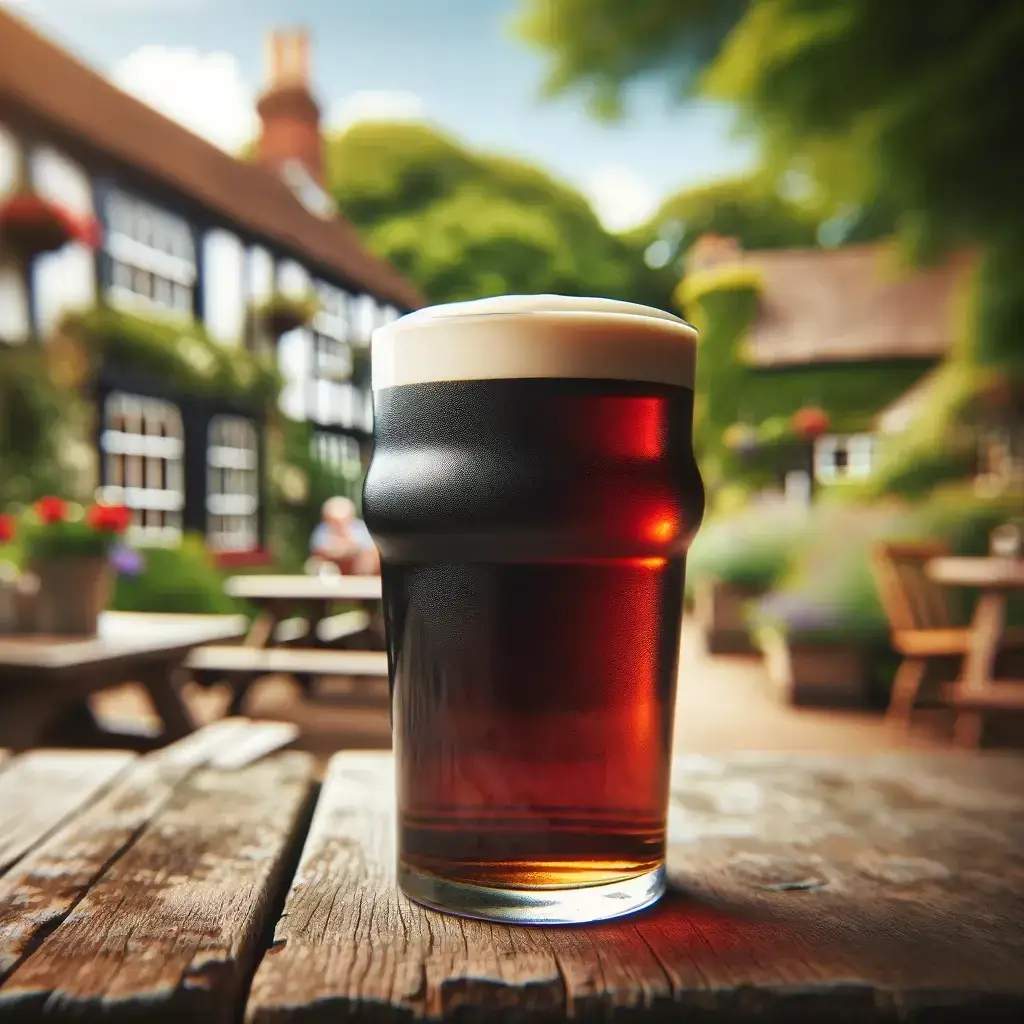
“Mild” is a traditional beer style notable for its lower alcohol content and milder flavour profile.
No surprises there.
Flavour Profile
As suggested by its name, Mild Ale is known for its gentler, milder taste than other ales. It typically has a predominantly malty character, with low to moderate bitterness. Flavours can include notes of caramel, toffee, and nutty tones with minimal hop flavour.
Mild Ales tend to have a light to medium body. Despite their lower alcohol content, they can still offer a satisfying, often slightly sweet, malt-forward experience.
They typically have lower carbonation than other ales, contributing to their smooth and easy-drinking quality.
Colour and Appearance
Traditional Mild Ales were pale, but the modern versions are often darker, ranging from amber to deep brown. The colour here comes from the malts used in brewing.
Alcohol Content
One of the defining features of Mild Ale is its low alcohol by volume (ABV), generally between 3-4%. This makes it a popular choice for a session beer, allowing for consumption over a longer period without the high alcohol intake.
Types of Mild Ale
There are all kinds of different Mild Ales – too many to list here. There are the paler, Light Milds, which tend to be more “hop-forward”, as they say. There are Dark Milds, which are, you guessed it, darker. Darks have a richer, maltier profile. Then there is everything in between.
Serving Mild Ale
Mild Ale is best served at cellar temperature, which helps to bring out its subtle flavours. It pairs well with various foods, especially traditional British fare (I could be biased here), due to its balanced and unobtrusive flavour.
Today, while less widely popular than more robust ales or lagers, Mild Ale still maintains a dedicated following, particularly in the UK, and is appreciated for its easy-drinking nature and subtle complexity.
Summary
Mild Ale has a long history in the United Kingdom, where it was once one of the most popular beer styles. Historically, “mild” referred to the beer being young and fresh, as opposed to aged or “stale” beers, rather than to its flavour profile.
6. Lager
The other ubiquitous category of beer is lager, brewed with bottom-fermenting yeast that works more effectively at cooler temperatures, around 35°F to 55°F (2°C to 13°C). This cooler fermentation process is crucial in defining the lager beer’s character.
The term “lager” comes from the German word “lagern” which means “to store.” After the initial fermentation, lagers are stored (or lagered) at cold temperatures for several weeks to months, which allows the flavours to develop and the beer to clarify.
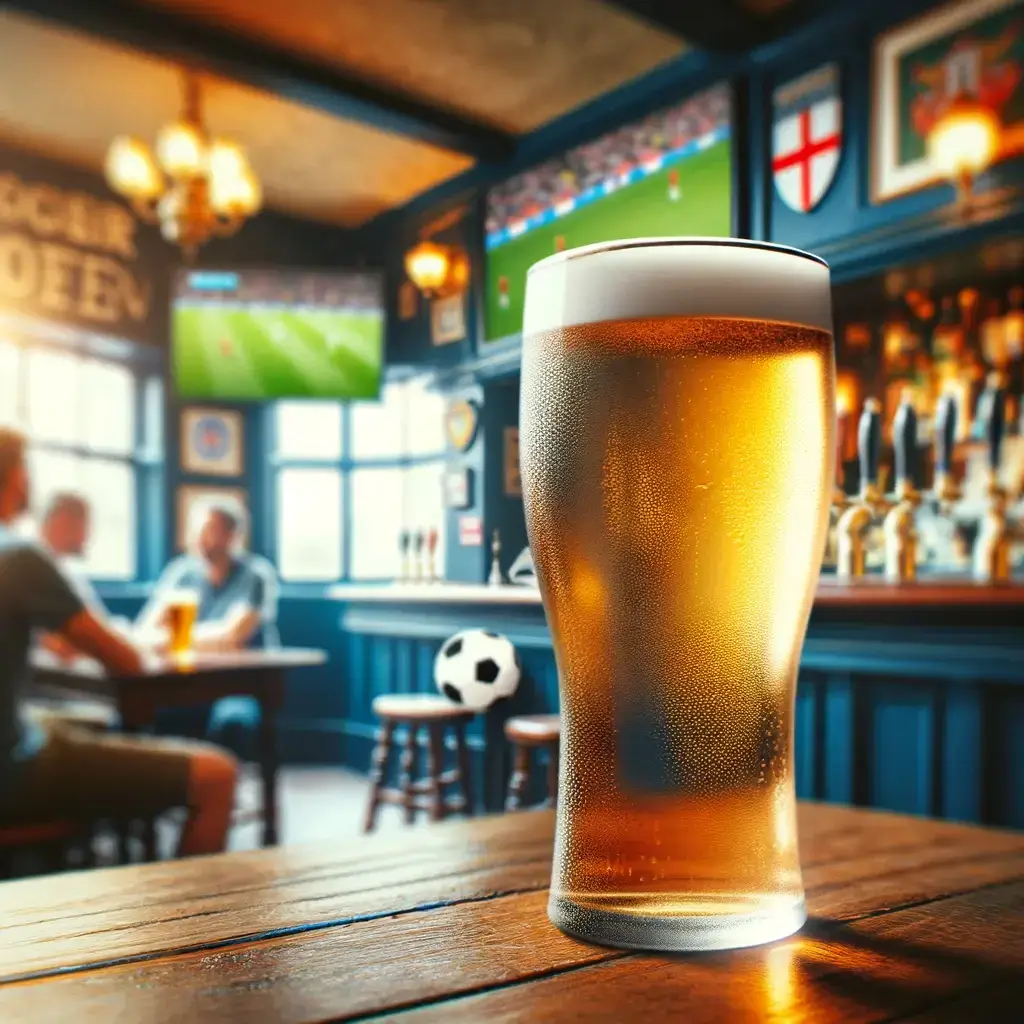
Lager is a type of beer characterised by its fermentation and conditioning method. It’s one of the two main categories of beer, the other being ale.
Flavour Profile
Lagers have a clean, crisp and smooth taste. The cooler fermentation inhibits the production of esters and other byproducts that are more common in ales. This results in a cleaner taste where the hops and malt can shine through without much yeast character.
Colour and Appearance
They often have a clear appearance, ranging in colour from very pale to amber or even dark, depending on the specific beer style and malts used.
Lagers tend to be well-carbonated. The carbonation, along with the crisp flavour profile, contributes to their refreshing quality.
Types of Lager
There are several styles of lager, including:
- Pilsner: A pale, golden lager with a noticeable hop character.
- Helles: A German-style pale lager that’s a bit maltier and less hoppy than a pilsner.
- Dunkel: A dark German lager with flavours of caramel and toffee.
- Bock: A stronger lager, ranging from lightly to darkly coloured, with a more pronounced malt character.
- Märzen/Oktoberfest: A medium to full-bodied lager that is typically amber in colour, with a balanced malt and hop character.
Serving Lager
Lagers are best enjoyed when they’re cold but not too cold. The ideal temperature range is typically between 38°F to 45°F (3°C to 7°C). You don’t want to mute the flavours and aromas by serving them at ice-cold temperatures.
Summary
Lager brewing has roots in Central Europe, particularly in Germany and the Czech Republic, dating back several centuries.
Nowadays, lagers are the most widely consumed and commercially available beer style worldwide. Many of the popular mass-produced beers are lagers.
7. Stout
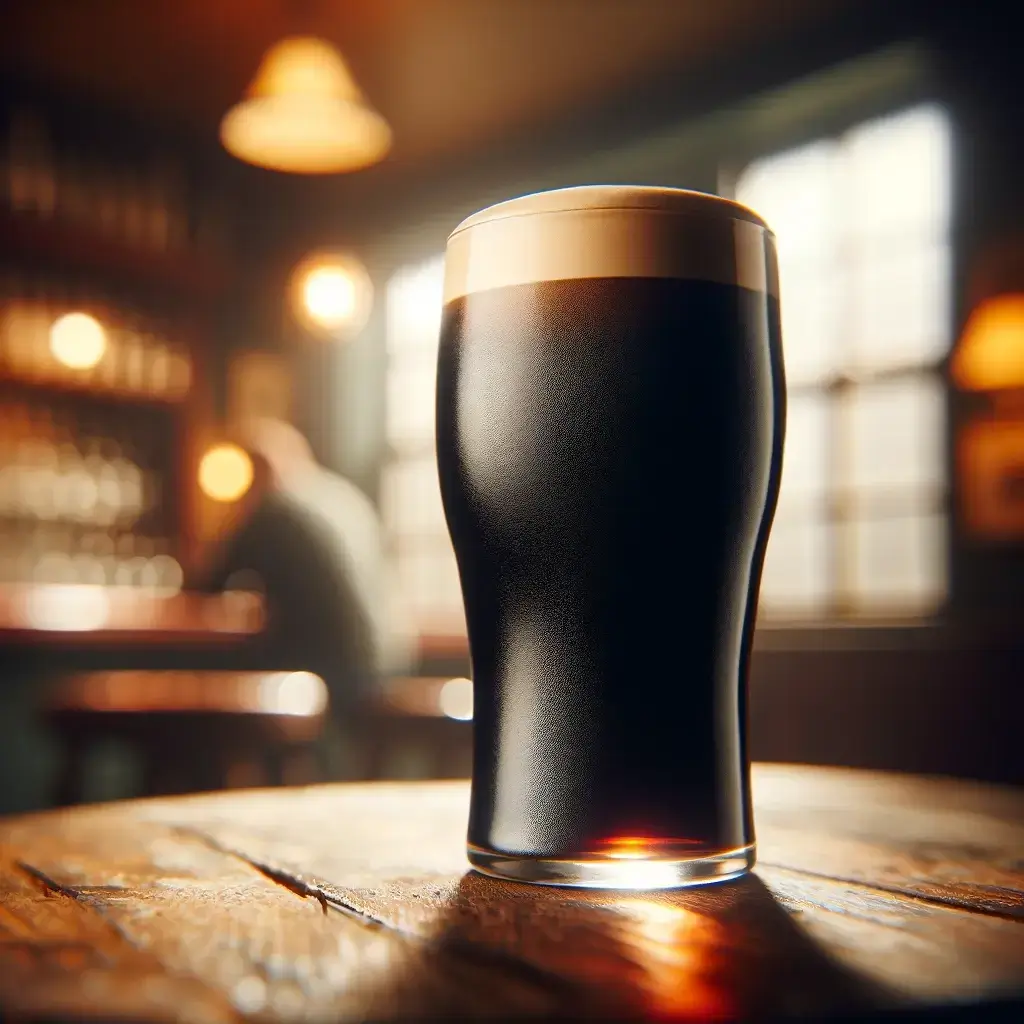
Stout is a dark, rich beer style with deep, roasted flavours.
Stout evolved from porters in the 18th century.
The term “stout” was initially used to describe strong beers and eventually became associated with dark-roasted beers.
Everyone knows someone who drinks nothing but Guinness.
Flavour Profile
The flavour of stouts is predominantly defined by the roasted malt. They often have notes of coffee, chocolate, and caramel, with varying levels of sweetness depending on the specific style of stout. The bitterness from the roasted ingredients is often balanced with malt sweetness.
Body and Mouthfeel
Stouts generally have a fuller body and a smooth, creamy mouthfeel. Some stouts, particularly those served on nitrogen taps (like Guinness), have a smooth, creamy texture.
Colour and Appearance
Stouts always have a colour ranging from dark brown to pitch black. This colour comes from the use of heavily roasted malts and barley.
Alcohol Content
The alcohol by volume (ABV) of stouts can vary widely depending on the style. Traditional stouts, like Irish Dry Stouts, are usually around 4-5% ABV, whereas Imperial Stouts can have an ABV upwards of 8-12% or even higher.
Types of Stout
There are several sub-styles of stout, including:
- Dry (or Irish) Stout: Well-known for its dry finish and coffee-like flavours, with a light body.
- Milk Stout: Brewed with lactose (milk sugar), adding sweetness and body.
- Oatmeal Stout: Made with oatmeal, which lends a smooth, rich body.
- Imperial Stout: Stronger and bolder with high alcohol content, often with rich, complex flavours.
- American Stout: Known for a more pronounced hop character and higher bitterness.
Serving Stout
Stouts are typically served at a slightly warmer temperature than lagers and lighter ales – typically ground, or cellar temperature, 50-55°F (10-13°C), which helps enhance their rich, complex flavours.
Summary
Stout evolved from porters in the 18th century. The term “stout” was initially used to describe strong beers and eventually became associated with dark, roasted beers.
Stouts pair well with hearty, rich foods like grilled meats, stews, and chocolate desserts. Their robust character can complement or contrast a wide range of flavours.
Stouts are renowned for their depth and variety, offering a wide range of experiences from the subtle and smooth to the rich and complex. They hold a celebrated place in the world of craft beer and traditional brewing alike.
8. Porter
If stouts evolved from porters, we should probably deal with those next.
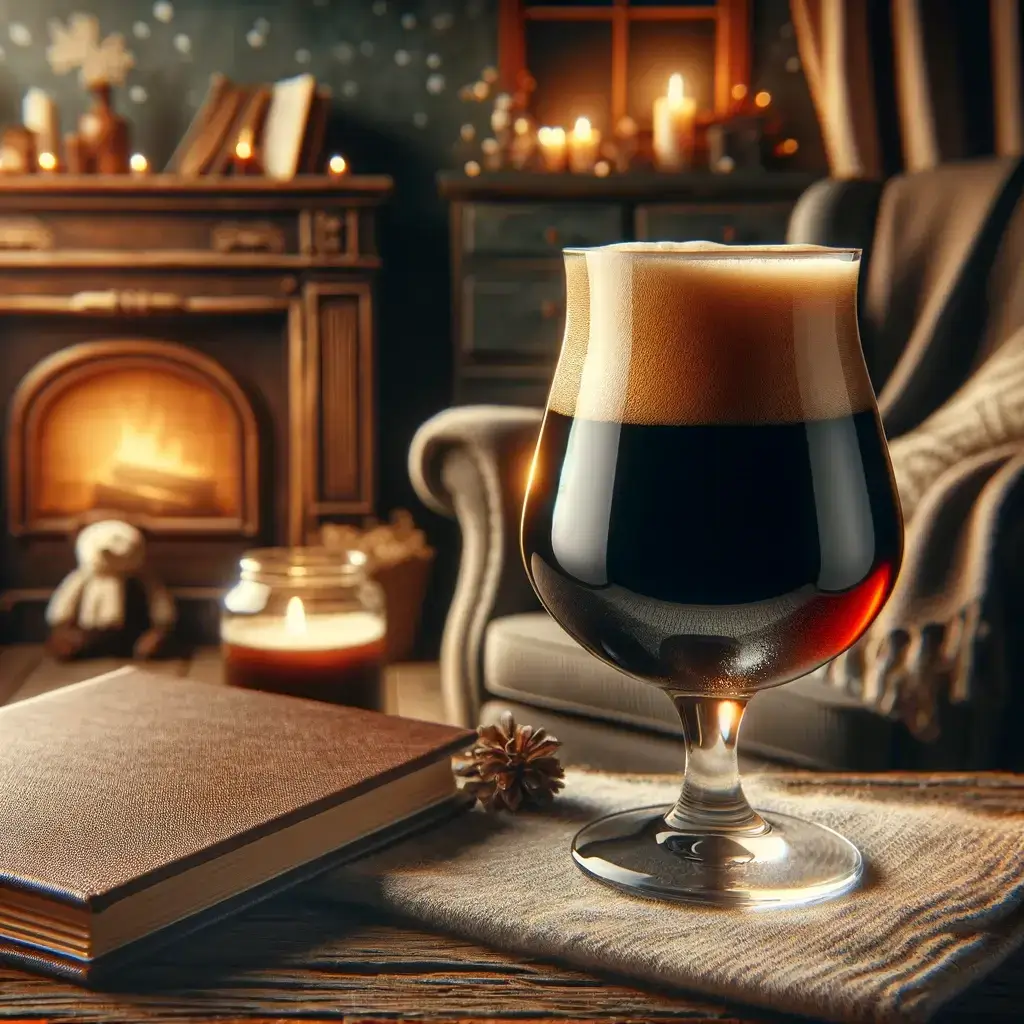
Porter is a type of dark beer that originated in London in the 18th century. It is known for its rich, malty flavour and dark colour.
They say it is called “porter” because it was popular with porters, but who really knows?
Flavour Profile
The flavour of porters is dominated by the malt. They often have notes of chocolate, coffee, and caramel. Unlike stouts, porters tend to have a less pronounced roasted character, focusing more on the malt’s sweetness and complexity.
Body and Mouthfeel
Porters are generally medium to full in body with a smooth mouthfeel. They’re less creamy than stouts, particularly those served on a nitrogen tap system.
Colour and Appearance
Porters are typically dark brown and not as black as stouts. Their darkness comes from the use of dark malts and roasted barley, much like stouts.
Alcohol Content
The alcohol by volume (ABV) of porters typically ranges from around 4% to 6%. However, there are also stronger versions, like Baltic Porters, which can have higher ABV levels.
Types of Porter
There are several sub-styles of porter, including:
- Baltic Porter: Stronger, more robust, often with higher alcohol content.
- English Porter: Traditional beer style, known for balanced malt flavour and moderate hopping.
- American Porter: Often hoppier and sometimes stronger than the English counterparts.
Serving Porter
Porters are typically served at cellar temperature, around 50-55°F (10-13°C), which allows their complex flavours to emerge more fully than if served colder.
Summary
Porter was one of the first industrially produced beers, becoming popular in London in the 18th century. It was named for its popularity among the city’s street and river porters.
Porters pair well with smoked or barbecued meats, rich stews, and chocolate desserts. Their balance of sweetness and bitterness can complement a range of savoury and sweet dishes.
Porters are often compared to stouts, and while there are similarities, porters are generally lighter in both colour and roasted flavours. They are a more versatile beer style than people think: Yes, people say they offer a richer tapestry of flavours than other styles, but they can be surprisingly sessionable.
9. Wheat Beer (and Ale)
Starting to specialise a bit now. The terms “Wheat Beer” and “Wheat Ale” are often used interchangeably, but they are not the same.
Except when they are.
There are distinctions in brewing traditions and styles, but basically:
Wheat Beer
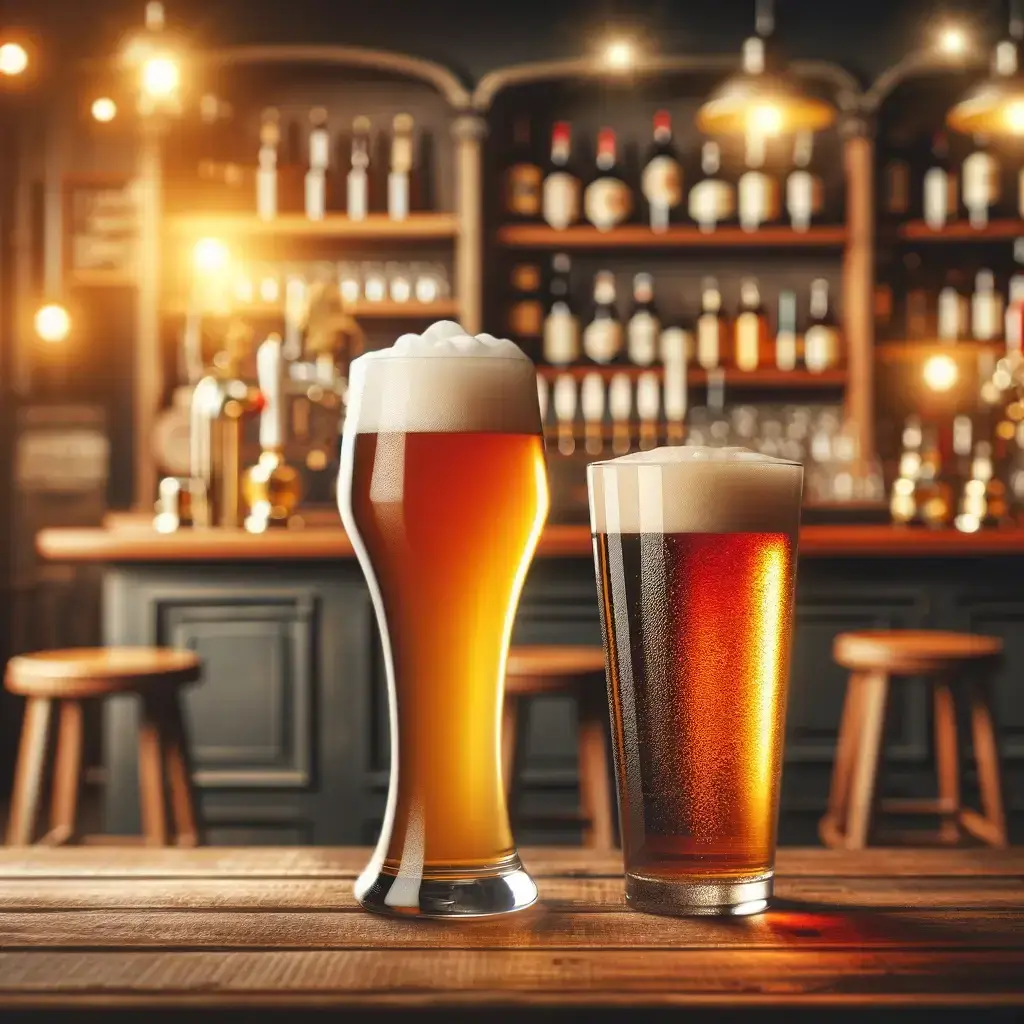
Wheat beer is a broad category that includes all beer styles made with a significant proportion of wheat in addition to barley. Wheat, as an ingredient in beer, tends to give a light, crisp taste and often contributes to a cloudy appearance due to the proteins in wheat. Wheat beers can be ales or lagers, depending on the type of yeast used and the fermentation process.
Wheat Ale
Wheat Ale refers to ales made with a considerable amount of wheat. Ales are beers that are fermented with top-fermenting yeast at warmer temperatures. This usually results in a fruitier and fuller taste, so a Wheat Ale is, in fact, a type of Wheat Beer, just one that falls under the ale category. Examples include American Wheat Ales and Belgian-style Witbiers (my favourite)
Key Differences
The main difference lies in the type of yeast and fermentation process. Wheat Ales are made using ale yeast, which ferments at a higher temperature and imparts different flavours compared to lagers.
Fermentation: Ales, including Wheat Ales, are typically fermented at warmer temperatures using a top-fermenting yeast, leading to a greater variety of flavours and aromas.
Types of Wheat Beer and Wheat Ale: Within the Wheat Beer category, there are two main styles. Wheat Ales, like Belgian Witbier (especially in the American style), are known for their spice and citrus notes. In contrast, German Wheat Beers (like the Hefeweizens) are noted for their banana and clove notes. Again, this is due to the yeast used.
Summary
Wheat Ales are technically Wheat Beers, but not all Wheat Beers are Wheat Ales. German Wheat Beer tastes very different from the Belgian Witbier Wheat Ales. Also note that although “Witbier” might sound like “Wheat Beer”, even though it’s an ale, but it actually means “White Beer”. Don’t worry about it.
10. Sour Ale
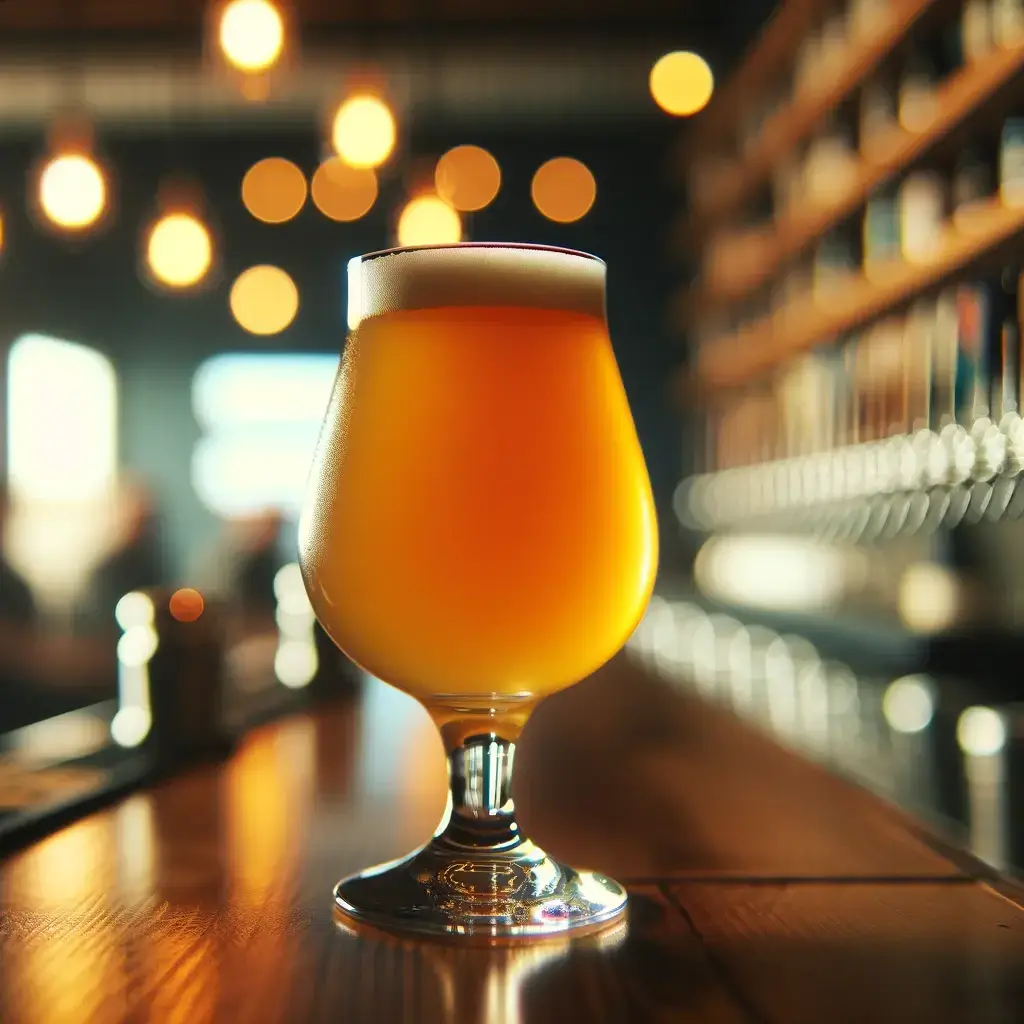
Sour Ale is intentionally brewed to have a tart, sour taste.
This is achieved through fermentation techniques involving specific wild yeasts and bacteria such as Lactobacillus (and others) that produce lactic acid during fermentation.
However, some sour ales are produced when ageing the beer in barrels with naturally occurring bacteria and yeast.
Flavour Profile
I mean, what can I say? They are sour. The intensity can vary from the mildly tart to the intensely sour. Depending on the brewing method and ingredients, many sour ales also have a complex flavour profile that can include funkiness, earthiness, or fruitiness.
Colour and Appearance
Sour Ales can vary in colour from pale and cloudy to dark and clear, depending on the specific style and ingredients used.
Types of Sour Ales
There are several traditional styles of Sour Ales, including:
- Belgian Lambics: These are spontaneously fermented with wild yeasts and bacteria native to the Senne Valley in Belgium. Lambics are often aged and blended and can be sweet-fruit-flavoured, like Kriek (cherry) or Framboise (raspberry).
- Gueuze: A blend of young and old Lambics, which undergoes a second fermentation in the bottle.
- Flanders Red Ale: Known for its deep red colour and sour, fruity, and wine-like flavour. It’s often aged in oak barrels.
- Berliner Weisse: A low-alcohol, cloudy, sour wheat ale from Germany, often served with flavoured syrups.
- American Wild Ale: This is a broad category that includes American-made sour ales with a variety of souring techniques and flavours.
Serving Sours
Sour Ales are typically served at a temperature similar to white wine, around 40-50°F (4-10°C). They pair well with various foods, especially those that complement their tartness, like creamy cheeses or rich, fatty meats.
Summary
Sour Ales have gained huge popularity with craft breweries worldwide due to their unique and complex flavour profiles. Sours offer a completely different experience to traditional hoppy or malty beers. Sours stand out for their distinct tartness; for some, they bridge the gap between beer and wine. Who would have thought?
And yes, you can even get Sour kits that are easy to brew.
11. Pilsner
Pilsner is a type of pale lager that takes its name from the city of Plzeň in the Czech Republic.
Its development in the 1840s represented a significant advancement in brewing technology, particularly in the area of pale malt production.
It quickly became popular and has since influenced many of the world’s beers, making it one of the most widely consumed and influential beer styles globally.
Colour and Appearance
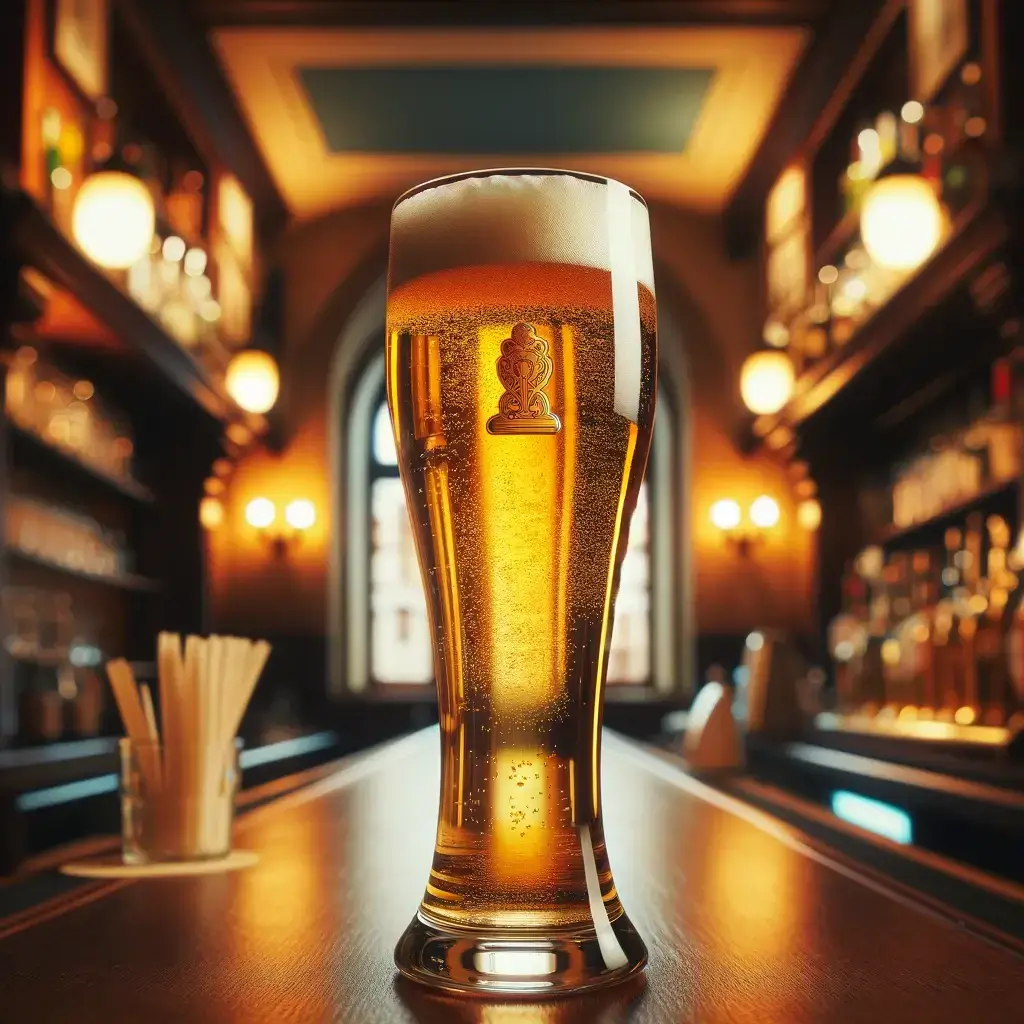
Pilsners are typically light in colour, ranging from pale to golden yellow, and are known for their clear, bright appearance. They often have a good amount of carbonation and a fluffy, white head.
Flavour Profile
The taste of a Pilsner is marked by a balance between the sweetness of malt and the bitterness of hops. They typically have a crisp, refreshing taste with a clean, slightly bitter finish. The hop flavour is more pronounced in Pilsners compared to other lagers, often with a floral or herbal quality.
One of the defining features of Pilsners is the use of specific hop varieties that contribute to their distinctive taste. Traditional Czech Pilsners use Saaz hops, known for their mild bitterness and aromatic qualities. German and American Pilsners might use different hop varieties.
Pilsners use pale malt, which contributes to their light colour and forms the backbone of their flavour, providing a subtle sweetness that balances the hops.
Alcohol Content
Pilsners typically have a moderate alcohol by volume (ABV), usually ranging from 4% to 6%.
Types of Pilsner
There are several variations of the Pilsner style, including Czech Pilsner (or Bohemian Pilsner), which is softer and more malt-focused, and German Pilsner, which is crisper and more hop-forward. The American Pilsner, influenced by these traditional styles, often features local hop varieties.
Serving
Pilsners are best served cold, around 38-45°F (3-7°C). They are often enjoyed in a Pilsner glass, which is tall and slender, enhancing the beer’s aromas and showcasing its carbonation.
Pilsners are versatile in food pairing, complementing a wide range of dishes, including seafood, chicken, salads, and spicy foods.
Summary: Types Of Beer
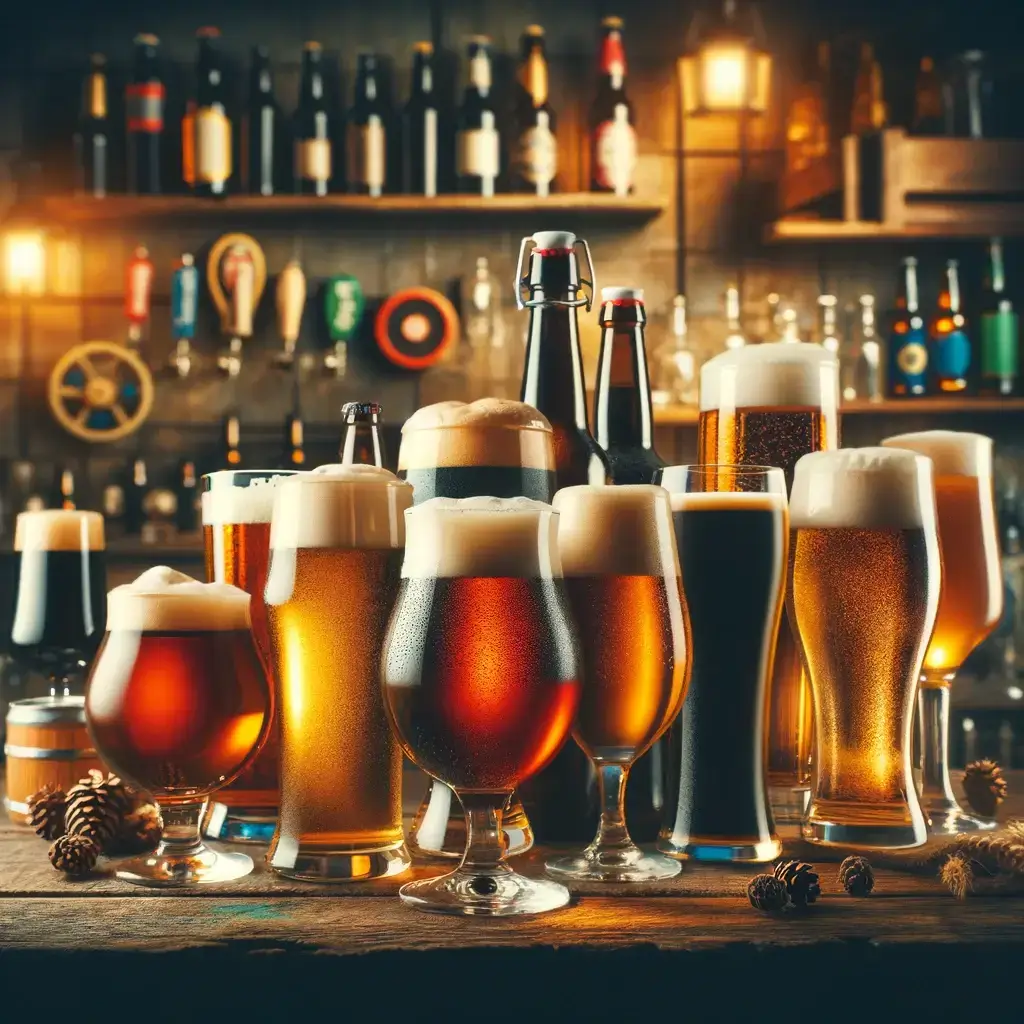
Embarking on the journey of home brewing opens up a world of possibilities for crafting various types of beer, each with its unique flavours and brewing techniques. In this post, we explored a range of beer styles you can brew in the comfort of your home, from the hop-forward IPAs to rich and robust Stouts (perfect for the colder months).
We looked at light and refreshing Wheat Beers, ideal for beginners, and the complex Sour beers and ales for those looking for more of a challenge.
We touched on Lager beers, which require patience and precision, and traditional Bitters, a staple of our British brewing. Each beer style comes with its own set of ingredients, brewing methods, and flavour profiles, offering a diverse and rewarding experience for homebrewers. Whether you’re a novice or a seasoned brewer, there’s always another beer style (or sub-style) to explore.
The best part is, there will almost certainly be a kit available for whatever beer style you want to have a go at. The easiest was to get started is with an all in one kit – check out the best home brew beer kits updated for 2024.
Until next time… namárië,
BrewBlog out.
FAQ
Q1: Can I really brew all these types of beer at home? Are there any legal restrictions?
A1: I always get asked, and it is an important question, so I’m always happy to include an answer. Obviously, you will have to check your local laws and regs; legal restrictions usually relate to whether or not you can sell it and perhaps the volume you can brew.
But I ain’t no solicitor (lawyer). And this ain’t no legal advice. Good luck.
Q2: How much space do I need to brew beer at home?
A2: The amount of space needed depends on the scale of your brewing. But as you asked, I imagine you want to just get started, in which case a small batch setup can fit comfortably in the corner of your kitchen.
Larger batches may require more space, like a garage or basement, but it needs to be somewhere you can control the brew’s temperature, either with the room or by lagging the fermenting bin and using a heat mat. Plan and prepare properly; hopefully, you will have a smooth experience like your beer!
Q3: Can I use regular kitchen equipment for brewing, or do I need specialised tools?
A3: It depends on the type of brewing. By the nature of your question, I’m guessing you are just starting out, so I’d advise a beer kit containing everything you need except the water. A good beer kit will contain a fermentation vessel, an airlock, and maybe a hydrometer to measure progress. There are many starter kits out there suitable for beginners.
Q4: How long does the brewing process take for an average batch?
A4: The brewing process, from boiling to fermentation, can take a few hours; fermentation adds several weeks to a couple of months to that, depending on the beer type. However, if you are using a kit which comes with its own fermentate, you can be drinking in a few days to a week.
Check out this “Dummies” article for a succinct description of what is achievable.
Q5: Is home brewing an expensive hobby to start?
A5: Initial costs can be moderate, but they vary based on the quality and scale of equipment. Many find it a cost-effective hobby in the long run, especially if you brew frequently.
Q6: Can I create my own beer recipes or stick to established ones?
A6: Beginners might want to start with established recipes, but as we said in the introduction, there are almost as many beer recipes as there are brewers. Your imagination is the limit. Once you understand the basics, experimenting with ingredients is enormous fun.
Q7: What’s the most common mistake beginners make when brewing their first batch?
A7: One common mistake is not sanitising equipment properly, which can lead to contamination, resulting in a bad brew. Another mistake is not maintaining a consistent fermentation temperature, leading to off-flavours.
Q8: How can I tell when my beer is ready to drink?
A8: The primary indicator is the specific gravity reading, which should stabilise over a few days. Additionally, taste and visual cues, like clarity and sediment settling, can help.
Q9: Can I brew gluten-free beer?
A9: Absolutely! Gluten-free beer relies, simply, on the choice of alternative grains like sorghum
Q10: Can I brew non-alcoholic beer?
It can be done, but it’s not straightforward; you can’t brew beer without producing alcohol, so the only way to achieve a zero (or near zero) alcohol beer is to carefully remove it so as not to damage the flavours and aromas. The most common method uses low-temperature “evaporation”.
Q11: How important is water quality in homebrewing?
A11: Massively! Water is the largest component of beer by any measure. The mineral content and pH of water can significantly affect your beer’s taste, but you can absolutely use filtered or bottled spring water if you choose.
Q12: Can I reuse the yeast from one batch to another? How?
A12: Yes, you can harvest and reuse yeast. This involves collecting the yeast from a current batch and storing it properly. It’s a more advanced technique but can be cost-effective and definitely fun to experiment with. IMPORTANT: Only collect yeast from successful batches!